Unlocking the Benefits of Cupping Therapy: A Comprehensive Guide to Courses, Eligibility, Admission, and Career Scope
Cupping therapy is an ancient healing practice that has gained popularity in recent years, thanks to its effectiveness in addressing a variety of health issues. As a result, more people are seeking professional cupping therapy practitioners, creating a growing demand for qualified professionals in this field. If you're interested in becoming a certified cupping therapist, this blog will provide you with valuable information about cupping therapy courses, eligibility criteria, admission processes, and the exciting scope of this holistic healing profession.
Cupping Therapy: What is it?
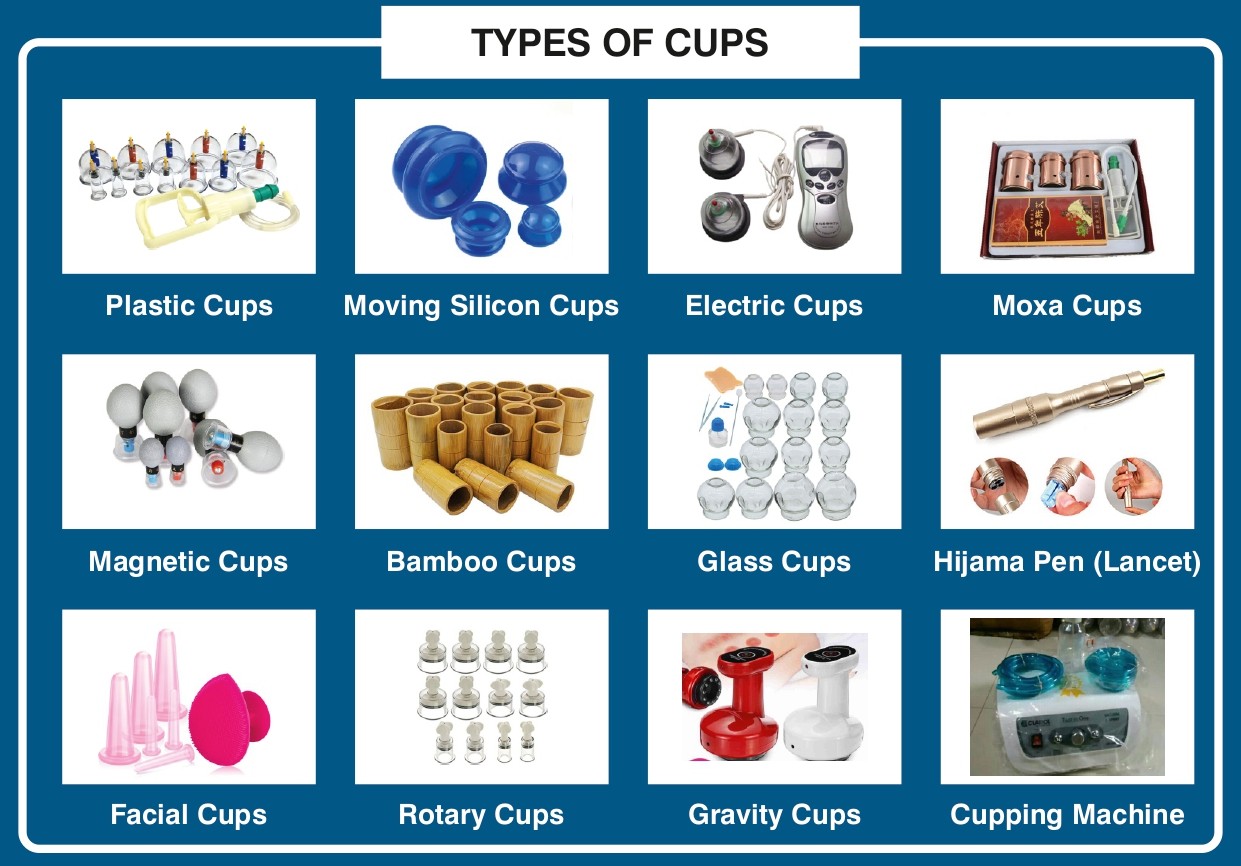
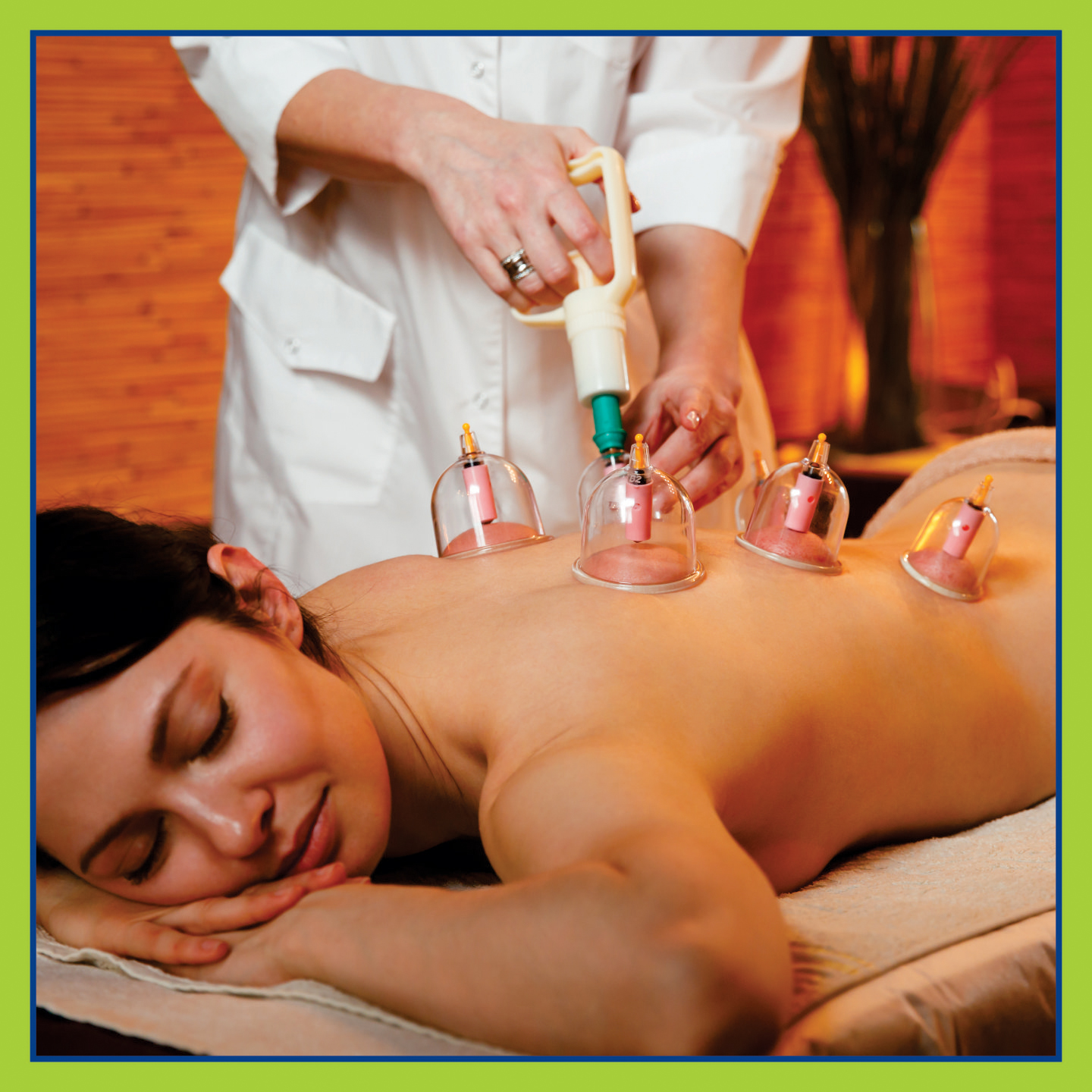
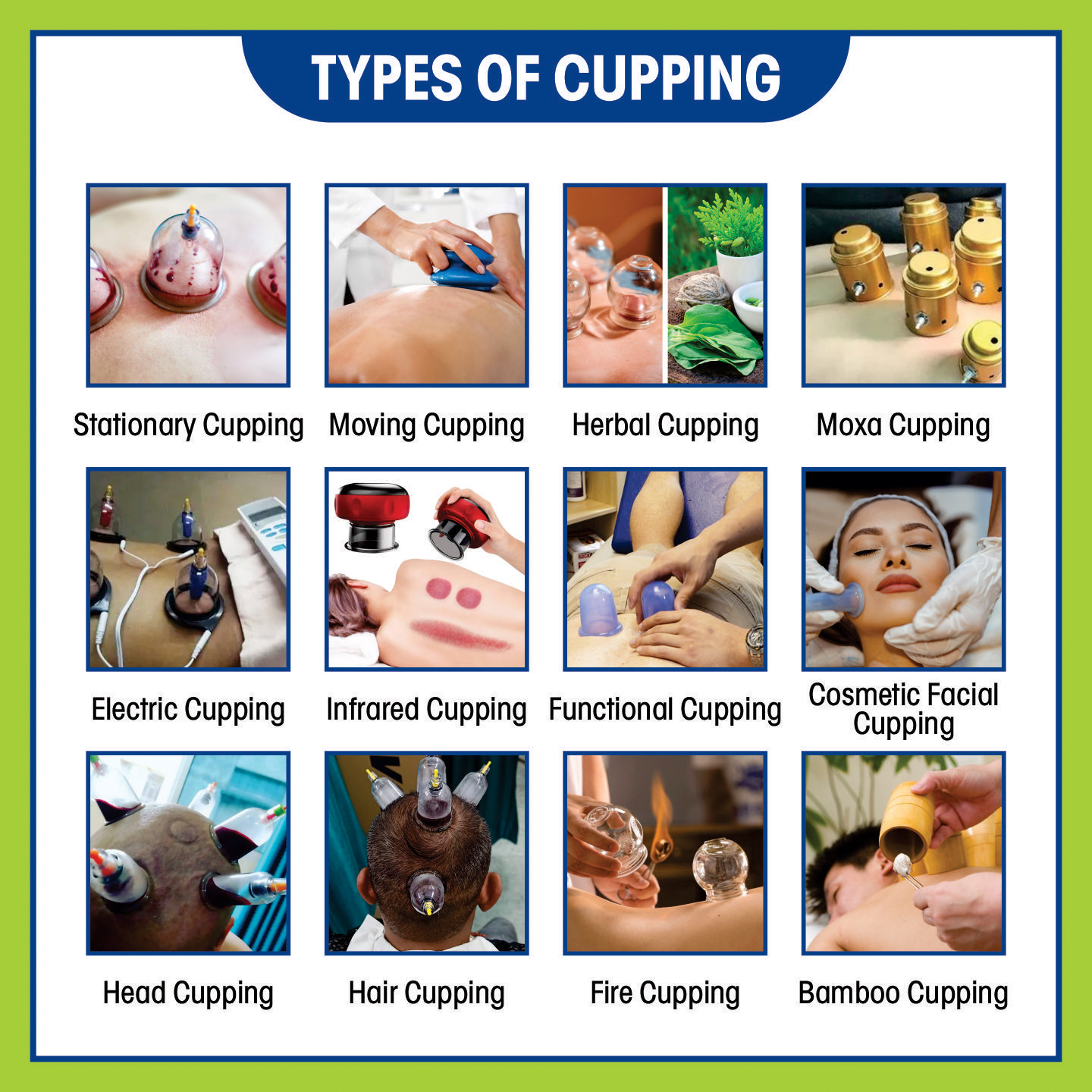
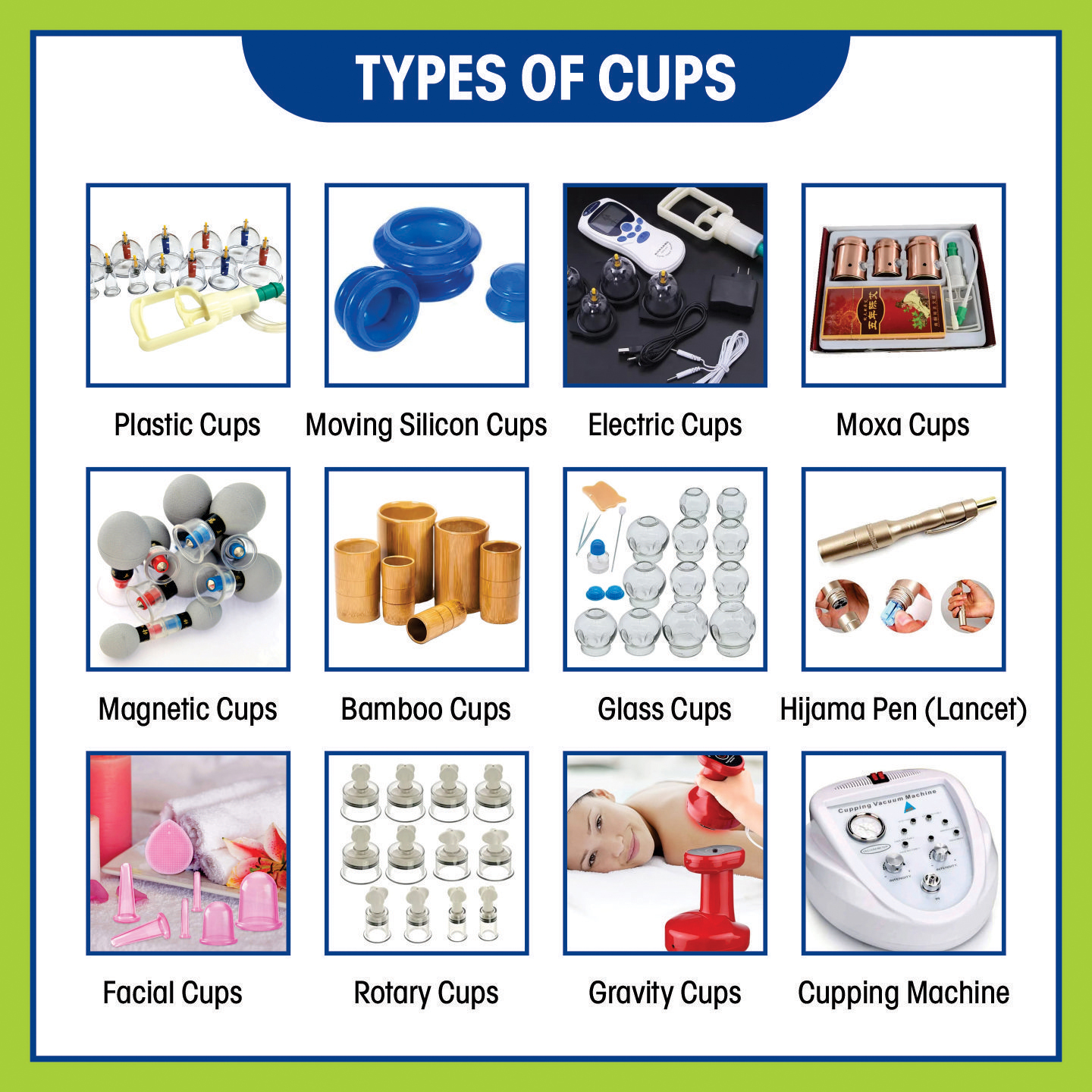
Cupping therapy, also known as "fire cupping" or "vacuum cupping," is a form of alternative medicine that involves creating a vacuum inside cups and placing them on the skin. The negative pressure created by the cups can stimulate blood flow, relieve muscle tension, and promote overall relaxation. Cupping therapy is used to address various health concerns, such as pain management, stress reduction, and detoxification.
Benefits of Cupping Therapy
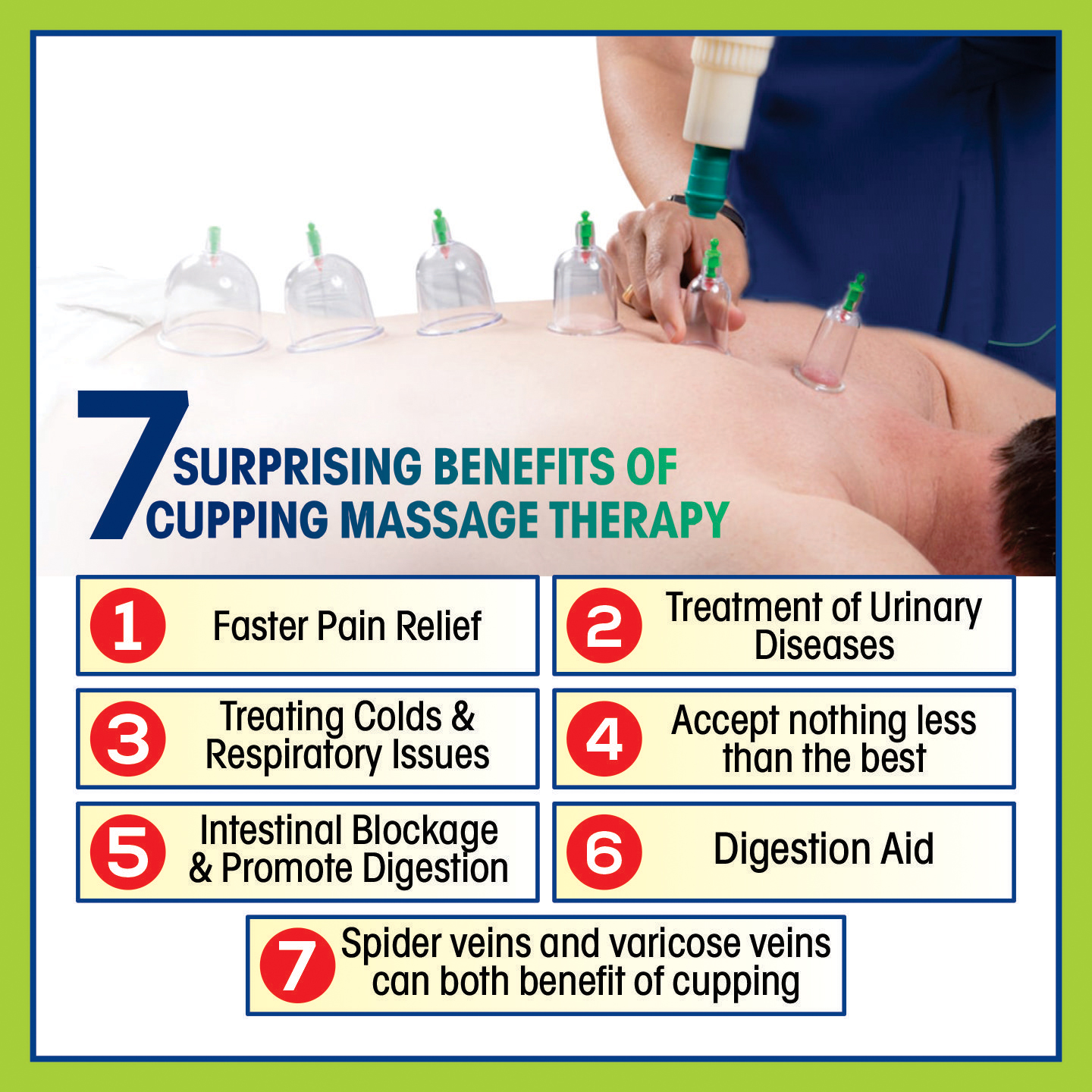
Before delving into the educational aspects, let's explore some of the notable benefits of cupping therapy:
Pain Management: Cupping therapy can help alleviate chronic pain conditions, including back pain, neck pain, and joint pain.
Stress Reduction: The therapy promotes relaxation and reduces stress, making it a valuable tool for mental health and overall well-being.
Improved Circulation: Cupping increases blood flow, which can aid in the healing of soft tissue injuries and reduce inflammation.
Detoxification: By promoting the flow of lymphatic fluid, cupping helps the body eliminate toxins and waste products.
Respiratory Health: Cupping therapy may relieve symptoms of respiratory conditions like asthma and bronchitis.
Cupping Therapy Courses
To become a proficient cupping therapist, you will need to undergo formal training through accredited courses. These courses cover the following key areas:
Anatomy and Physiology: Understanding the human body's structure and functions is essential for effective cupping therapy.
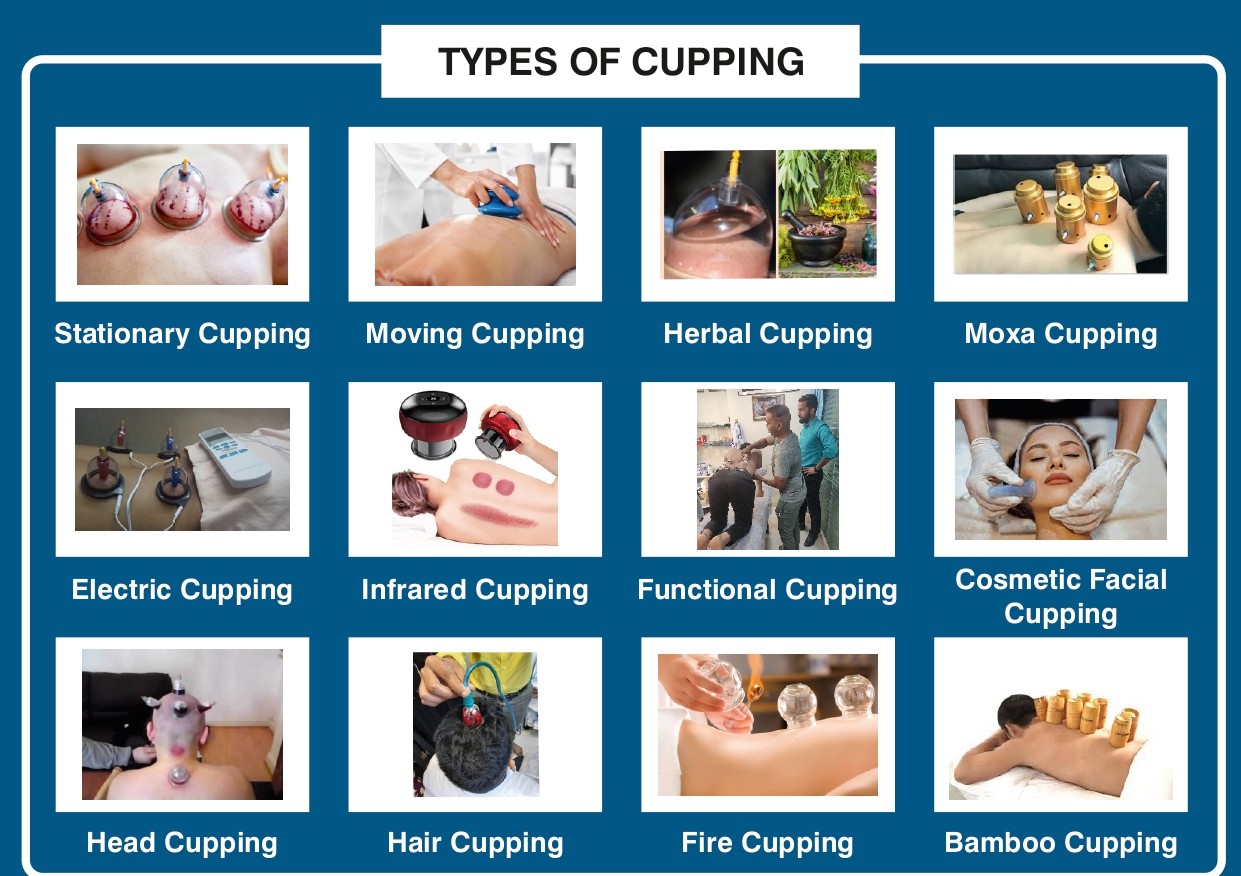
Cupping Techniques: Learning the various cupping techniques, such as dry cupping, wet cupping, and fire cupping, is crucial.
Safety and Hygiene: As a practitioner, you must maintain high standards of safety and hygiene to protect both yourself and your clients.
Indications and Contraindications: You'll learn how to identify when cupping therapy is suitable for a client's condition and when it should be avoided.
Practicum: Hands-on experience is invaluable. Many courses include practical training sessions where you can hone your cupping skills.
Eligibility Criteria
The eligibility criteria for cupping therapy courses may vary from one institution to another. However, some common prerequisites include:
High School Diploma or Equivalent: Most programs require candidates to have a high school diploma or its equivalent.
Basic Knowledge of Anatomy: An understanding of human anatomy and physiology is often a prerequisite for admission.
Interest and Dedication: A passion for holistic healing and a dedication to helping people achieve better health are key attributes.
Admission Process
The admission process for cupping therapy courses is typically straightforward:
Research: Start by researching institutions or training centers that offer cupping therapy courses. Ensure they are accredited and have a good reputation.
Application: Complete the application form provided by the institution of your choice. This may include submitting your educational qualifications and personal information.
Interview: Some programs may require an interview or entrance examination to assess your suitability for the course.
Enroll: Once accepted, you can enroll in the cupping therapy course of your choice. Be sure to meet any enrollment deadlines and pay the required fees.
Career Scope
After completing your cupping therapy course and obtaining certification, you can explore various career opportunities:
Private Practice: Many cupping therapists set up their private practices, offering services to clients seeking holistic healing.
Spas and Wellness Centers: Work in spas, wellness centers, or holistic health clinics, providing cupping therapy as part of their services.
Integrative Healthcare: Collaborate with other healthcare professionals, such as chiropractors, acupuncturists, or massage therapists, to offer comprehensive holistic care.
Educational Roles: Some certified cupping therapists become instructors, teaching future practitioners the art and science of cupping therapy.
Research and Development: Contribute to the field by participating in research or developing new cupping therapy techniques and products.
Cupping therapy is a fascinating and effective healing practice that continues to gain popularity in the world of alternative medicine. By enrolling in a cupping therapy course and becoming a certified practitioner, you can embark on a fulfilling career where you have the opportunity to improve the health and well-being of others. With the growing demand for holistic healing, the scope for cupping therapy professionals is promising. Start your journey toward becoming a certified cupping therapist, and you'll be well on your way to a rewarding and fulfilling career in the world of holistic healthcare.