Exploring the World of Panchakarma: A Comprehensive Guide to a Diploma Course
Panchakarma is an ancient system of Ayurvedic healing that has been practiced in India for thousands of years. It is a holistic approach to healthcare and wellness, focusing on the detoxification and rejuvenation of the body and mind. If you have a keen interest in alternative medicine and holistic healing, a diploma in Panchakarma could be the path for you. In this blog, we will delve into the benefits, eligibility criteria, admission process, scope, and frequently asked questions related to a Diploma in Panchakarma course.
What is Panchakarma?
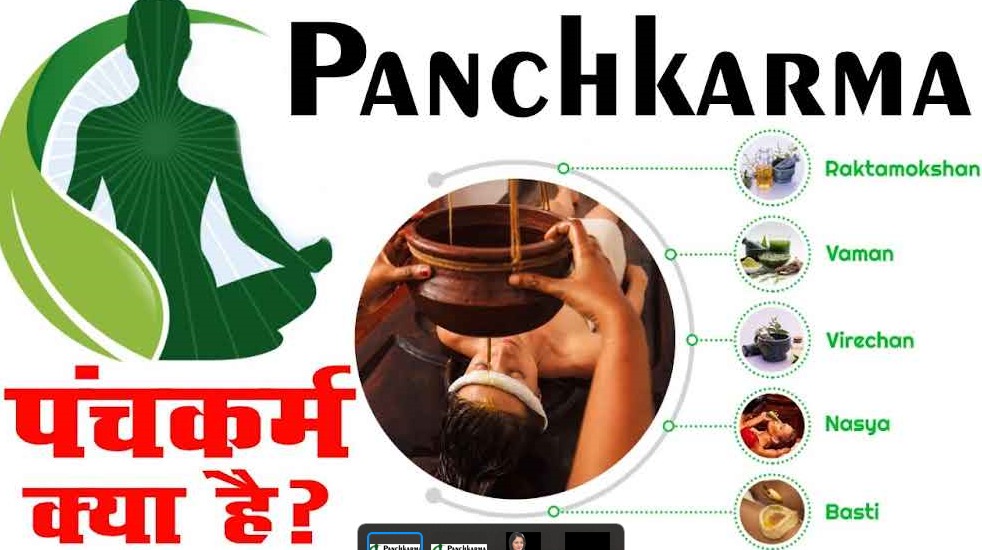
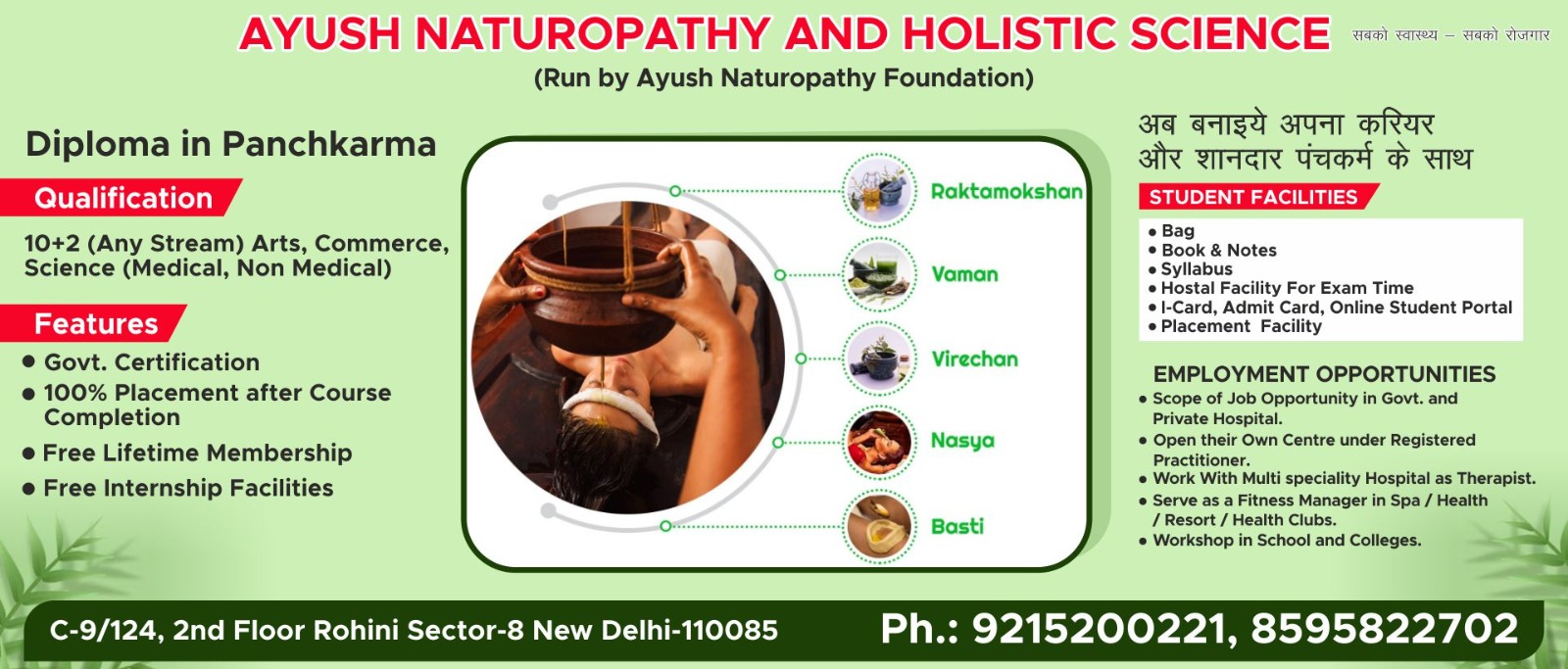
Panchakarma, a Sanskrit term, can be broken down into two parts: "Pancha," meaning five, and "Karma," meaning actions or procedures. Panchakarma refers to the five cleansing procedures that are integral to Ayurvedic medicine. These procedures are designed to remove toxins and impurities from the body, balance the doshas (Vata, Pitta, and Kapha), and promote overall well-being.
Benefits of a Diploma in Panchakarma Course
A diploma in Panchakarma offers numerous advantages, both professionally and personally. Here are some of the key benefits:
Holistic Healing: Panchakarma offers a holistic approach to health and wellness, addressing not only physical ailments but also mental and emotional well-being.
Career Opportunities: Graduates of Panchakarma courses can pursue careers as Ayurvedic therapists, consultants, or practitioners. They can work in Ayurvedic wellness centers, spas, hospitals, or set up their own practice.
Personal Growth: Understanding the principles of Ayurveda and Panchakarma can lead to improved personal health and a better quality of life.
Increasing Demand: With the growing interest in alternative and holistic medicine, the demand for trained Panchakarma practitioners is on the rise.
Eligibility Criteria for a Diploma in Panchakarma Course
The eligibility criteria for a diploma in Panchakarma course can vary from one institution to another. However, the following are common requirements:
Educational Background: Most programs require a high school diploma or its equivalent as a minimum educational qualification.
Age Limit: Some institutions may have age restrictions, usually between 17 to 35 years.
Language Proficiency: Proficiency in English or the language of instruction may be necessary.
Health Check: A basic health check may be required, as Panchakarma treatments can be physically demanding.
Admission Process
The admission process for a diploma in Panchakarma course typically involves the following steps:
Research: Start by researching different institutions and their programs. Look for accredited institutions and read reviews from current or former students.
Application: Fill out the application form of the institution of your choice. Be prepared to provide academic transcripts, identification documents, and possibly a personal statement.
Entrance Test/Interview: Some institutions may require you to pass an entrance test or undergo an interview to assess your suitability for the course.
Payment of Fees: Once you are admitted, you will need to pay the course fees as per the institution's policy.
Scope of a Diploma in Panchakarma
A diploma in Panchakarma can open up various career opportunities, such as:
Ayurvedic Practitioner: You can work as an Ayurvedic therapist, diagnosing and treating patients with Ayurvedic principles.
Spa and Wellness Centers: Many spas and wellness centers offer Panchakarma therapies, and you could find employment in such facilities.
Holistic Health Consultation: Start your own practice as a holistic health consultant, helping clients achieve balance and well-being through Panchakarma.
Teaching and Research: If you have a passion for teaching, you can pursue a career in academia or research in the field of Ayurveda.
Frequently Asked Questions (FAQ)
Q1: Is a diploma in Panchakarma recognized internationally?
A1: The recognition of Panchakarma courses can vary by institution. It's essential to choose a program from a reputable institution with proper accreditation for international recognition.
Q2: What is the duration of a diploma in Panchakarma course?
A2: The duration can vary, but most diploma programs last from 6 months to 1 year.
Q3: Can anyone undergo Panchakarma therapy, or is it only for professionals?
A3: Panchakarma therapy is available to individuals seeking holistic health benefits, not just professionals. However, it is essential to receive Panchakarma treatments from qualified practitioners.
Q4: What are the job prospects after completing a Panchakarma course?
A4: Graduates can work as Ayurvedic therapists, consultants, or practitioners in wellness centers, spas, hospitals, or start their own practice.
Diploma in Panchakarma offers a unique opportunity to explore the world of Ayurvedic healing, enhance personal well-being, and pursue a fulfilling career in holistic health. To ensure the best outcomes, choose an accredited institution and be committed to your studies and practice. Whether you aspire to be a Panchakarma practitioner or simply seek personal growth, this course can be a transformative journey into the world of Ayurveda and holistic well-being.